Open Kitchen vs Closed Kitchen: What Works for Singapore HDB Homes?
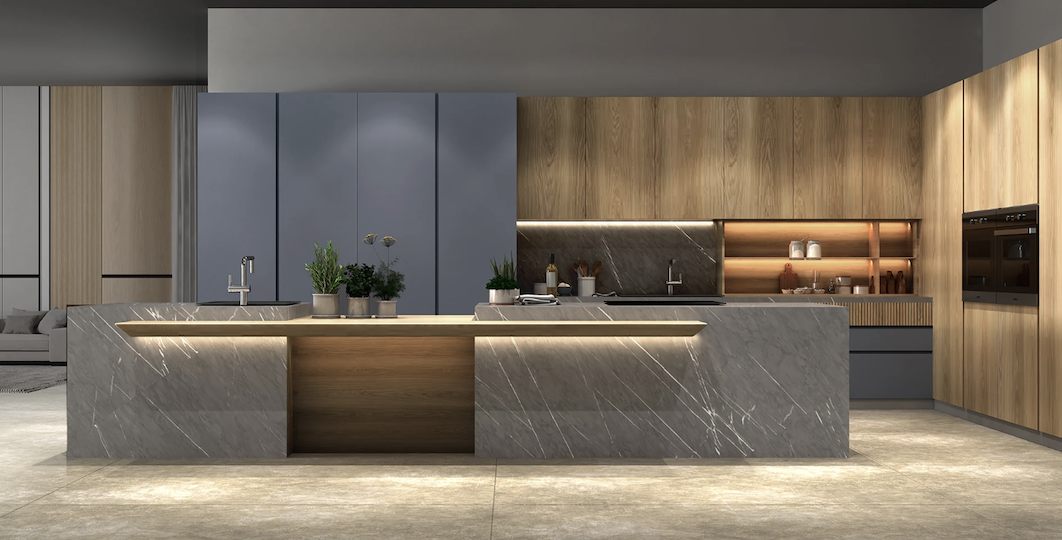
The open-plan kitchen has been one of the most requested changes in Singapore homes over the past decade. But it is not right for every household. Here is an honest assessment.
The Case for Open Kitchen
Makes small spaces feel larger. In a 4-room HDB, opening the kitchen into the dining area can make both spaces feel significantly more spacious. Social cooking. Lets you interact with family or guests while cooking. Better natural light. If your living area has a balcony or large windows, opening the kitchen shares that light. Contemporary aesthetic. Suits minimalist and Japandi interior styles that value visual flow.
The Case Against Open Kitchen in Singapore
Cooking smells. This is the single biggest concern — and a valid one. Singapore cooking with fish sauce, sambal, and spices produces strong odours and oil vapour that will permeate an open living room. A powerful hood (1,000 m³/hr+) helps but does not fully solve this. Grease. Cooking splatter reaches furniture, curtains, and electronics over time. Visual clutter. If the kitchen is not immaculate, it is permanently visible from your living room. HDB restrictions. Not all kitchen walls can be hacked — verify before planning.
The Compromise: Partial Opening
Many Singapore homeowners find a middle path — keeping a partial wall with a passthrough window or breakfast bar. A glass sliding panel or bifold door gives you the option to close when cooking.
Our Recommendation
If your household does heavy daily cooking with strong aromatics, a closed or semi-open kitchen is more practical. If you cook lightly or primarily Western-style food, open plan can be transformative. Talk to our designers about what works for your lifestyle.